Every driver who’s ever priced out a windshield replacement in Connecticut has run into the same fork in the road: the shop offers an OEM windshield at one price and an aftermarket option at a noticeably lower one. The instinct is to assume the cheaper glass is somehow lesser, and sometimes that instinct leads to an unnecessary upsell. Sometimes it’s masking a real difference. The honest answer sits in the middle, and understanding it saves Connecticut drivers money without trading away safety.
What OEM and Aftermarket Actually Mean
OEM stands for original equipment manufacturer — glass made by or for the same company that supplied the windshield installed at the factory, often carrying the automaker’s logo. Aftermarket glass comes from an independent manufacturer producing windshields designed to fit the same vehicle without a factory branding agreement. Both categories include a wide range of quality, and both are legal to install on a vehicle in Connecticut.
The federal performance standard behind either choice isn’t optional. Every windshield sold for installation on a U.S. road vehicle, OEM or aftermarket, has to meet NHTSA’s Federal Motor Vehicle Safety Standard No. 205, which sets minimum requirements for light transmittance, impact resistance, optical clarity, and resistance to delamination. A reputable aftermarket windshield isn’t skipping a federal safety test just because it doesn’t carry the automaker’s logo.
Where the Real Differences Show Up
Research from the Insurance Institute for Highway Safety on OEM versus aftermarket glass found the chemical composition and optical performance of the two to be largely comparable — the glass material itself tested about the same either way. The issue IIHS actually uncovered was a manufacturing defect on one aftermarket windshield’s camera mounting bracket, which was misaligned by roughly one degree and measurably affected automatic braking and lane-keeping performance until the camera was recalibrated.
That finding reframes the whole debate. The meaningful variable usually isn’t glass versus glass — it’s whether a bracket, a sensor mount, or a frit pattern on a specific windshield is manufactured to the tight tolerances a modern ADAS camera expects, and whether the installing technician properly calibrates the system afterward regardless of which glass went in. A high-quality aftermarket windshield installed and calibrated correctly can perform identically to OEM glass. A poorly made windshield of either origin, paired with a rushed installation, is where problems start.
The Industry Standard Behind a Safe Installation
Because the glass itself is only part of the equation, the auto glass industry built a separate standard around the installation process. The Auto Glass Safety Council maintains the ANSI-accredited AGRSS Standard, most recently updated to require technicians to use equipment specifically designed for ADAS calibration whenever a vehicle manufacturer calls for it. Shops that follow this standard—and train and audit their technicians against it—are addressing the variable that drives safety outcomes, regardless of whether the glass carries an automaker’s logo.
Where OEM Glass Tends to Matter More
Some situations make paying for OEM glass worth it. Vehicles with heads-up displays, acoustic laminated glass for cabin noise reduction, heated wiper park areas, or rain-sensing wiper technology built into the glass itself often perform best with the manufacturer’s original part, since aftermarket suppliers don’t always replicate every embedded feature precisely. Newer luxury and EV models with complex sensor arrays sometimes fall into this category as well. Lease-return vehicles and cars still under a manufacturer’s glass warranty are other cases where OEM is usually the simpler path, since it avoids any dispute over whether aftermarket glass affected the warranty.
Where Aftermarket Glass Is a Reasonable Choice
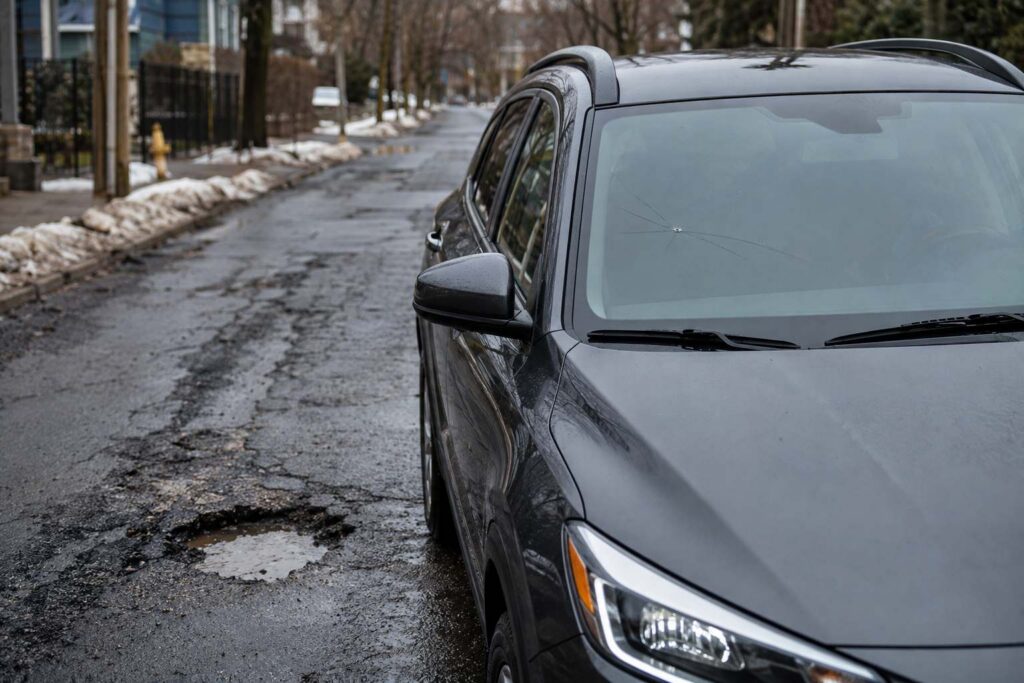
For a standard commuter vehicle without embedded windshield technology, a quality aftermarket windshield installed by a certified technician, with proper ADAS calibration afterward, typically delivers the same safety outcome at a meaningfully lower price. Given Connecticut’s exposure to sand, road salt, and pothole season, many drivers replace a windshield more than once over a vehicle’s life, and the cost difference between OEM and aftermarket adds up over multiple replacements.
How Insurance Fits In
Most insurance policies in Connecticut default to aftermarket glass unless the policyholder specifically requests OEM or carries an endorsement that guarantees it. Some insurers will approve OEM glass for late-model vehicles or when the manufacturer recommends it for ADAS compatibility, but that typically requires a conversation with the adjuster before the appointment, not after. Drivers who want OEM glass on principle should ask about it when they file the claim, not after a windshield replacement is already scheduled.
What to Ask Before Choosing
A few questions separate an informed decision from a guess: Does the vehicle have a windshield-mounted camera or sensor for ADAS features? Does the current windshield have a heads-up display, acoustic glass, or embedded antenna? Is the shop AGSC-registered and will it perform a documented ADAS calibration after installation regardless of which glass is used? Getting straight answers to those questions matters more than the OEM-versus-aftermarket label by itself.
The Payless Auto Glass Approach
Payless Auto Glass offers both OEM and OEM-equivalent aftermarket glass and walks customers through which option fits their vehicle before scheduling the work, not after. Every windshield replacement — regardless of glass origin — is installed using fast-cure urethane adhesive to manufacturer specifications, and any vehicle requiring ADAS recalibration receives it as part of the service. Technicians also flag when a vehicle’s features make OEM glass the more sensible recommendation, rather than defaulting to whichever option is easiest to source. That consistency protects a Connecticut driver more than a logo etched into the corner of the glass.
OEM vs. Aftermarket Glass FAQs
Is aftermarket windshield glass less safe than OEM?
Not inherently. Quality aftermarket glass sold for U.S. roads must meet the same federal safety standard as OEM glass. Safety outcomes depend more on installation quality and correct ADAS calibration than on glass origin alone.
Will aftermarket glass affect my car’s ADAS features?
It can if the windshield’s camera bracket or mounting isn’t manufactured to tight tolerances, or if the camera isn’t recalibrated after installation. A reputable shop calibrates ADAS systems after any windshield replacement, OEM or aftermarket.
Does my insurance cover OEM glass?
Most policies default to aftermarket unless you specifically request OEM or an endorsement requires it. Ask your insurer before scheduling if OEM matters to you.
Is OEM glass required for leased vehicles?
Not universally, but many leasing agreements and manufacturer warranties favor OEM parts. Check the lease terms or ask the dealership if unsure.
How do I know if my windshield has embedded technology?
Look for a small camera housing near the rearview mirror, rain-sensor wiper technology, a heads-up display, or antenna lines etched into the glass. A shop can also check the vehicle’s build sheet.
Can I request OEM glass even if it costs more?
Yes. Drivers can request OEM glass and pay the difference out of pocket if their insurer only approves aftermarket coverage.
Whether OEM or aftermarket is the right choice, the questions that matter are the same: Does the glass meet federal safety standards, is the installation done to industry protocol, and is ADAS calibration handled correctly afterward? Payless Auto Glass answers all three before a technician ever picks up a windshield.