Every Connecticut driver knows the rhythm: the freeze-thaw cycles of late winter and early spring chew up asphalt across Hartford, New Haven, and every town in between, and pothole season arrives right on schedule. What fewer drivers realize is how directly that seasonal road damage connects to windshield cracks. A chip you’ve been ignoring for weeks can turn into a spreading crack the moment your tire drops into a deep pothole, and understanding why can help you protect your glass — and your wallet — before it happens.
At Payless Auto Glass, our technicians across Connecticut, Massachusetts, and Rhode Island see a predictable spike in both stone chips and stress cracks every spring. This isn’t anecdotal — it’s a pattern we track year over year at our service centers, including our Hartford, CT location. Here’s what’s actually happening to your windshield, and what you can do about it.
Why Connecticut’s Roads Are Especially Hard on Windshields
Connecticut’s climate puts pavement through a brutal cycle. Water seeps into small cracks in the road, freezes, and expands overnight, then thaws during the day — a process that repeats dozens of times each winter and steadily breaks the asphalt apart from within. The Connecticut Department of Transportation addresses thousands of pothole reports across the state every year. Still, new ones form faster than crews can patch them, especially on secondary roads and highway shoulders.
For your windshield, this matters in two ways:
- Direct impact damage. Hitting a deep pothole can jar loose debris, cause a rock to kick up from a tire, or in some cases crack a windshield directly from the shock of the impact, particularly if the glass already has a weak point.
- Stress on existing chips. A small chip you’ve been driving around with acts like a fault line. The flexing and vibration from a hard pothole strike is often enough to send a crack running across the glass in seconds.
The American Automobile Association has long noted that pothole damage costs U.S. drivers billions annually in vehicle repairs, and glass damage is a routine part of that total, even though it gets less attention than tire and suspension damage.
Why a Small Chip Doesn’t Stay Small
Windshield glass is laminated — two layers of glass bonded around a layer of plastic — which is what keeps it from shattering into pieces on impact. But that same structure means a chip isn’t an isolated flaw; it’s a break in the glass’s tension. Temperature swings, road vibration, and flexing from potholes all put stress on that weak point. That’s why so many drivers describe the same experience: a chip that sat quietly for a month suddenly spreads into a foot-long crack after one hard bump.
As a general rule, if a chip is smaller than a quarter and away from the edge of the glass, it’s often a candidate for repair rather than full replacement. Once a crack spreads beyond a few inches, reaches the edge of the windshield, or sits directly in the driver’s line of sight, replacement typically becomes the safer and more cost-effective option. Our windshield repair and windshield replacement pages walk through how we make that call on a given vehicle.
What To Do If You Hit a Pothole
If you’ve just hit a significant pothole, a quick inspection can save you a much bigger repair bill later:
- Check the glass immediately for any new chips, cracks, or existing damage that looks different than before.
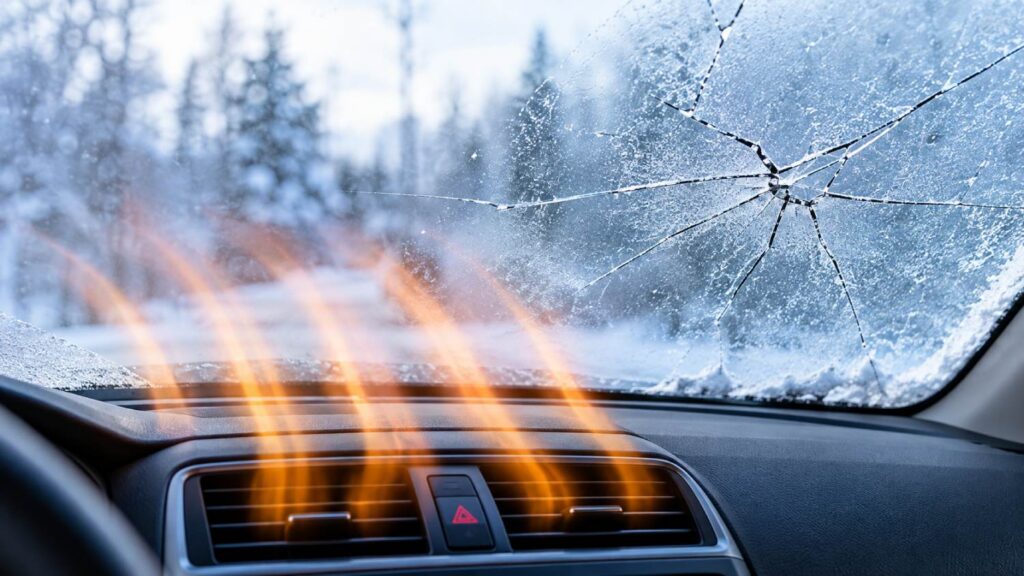
- Avoid extreme temperature changes on the glass in the meantime — don’t blast the defroster on a cracked windshield in freezing weather, since rapid heating can accelerate a crack.
- Get it looked at within a few days, even if the damage looks minor. Repairable chips have a much better outcome the sooner they’re addressed, before dirt and moisture work into the break.
- Document the damage with photos and a timestamp if you plan to file an insurance claim, particularly if the pothole caused other vehicle damage too.
Does Insurance Cover Pothole-Related Windshield Damage?
Often, yes — glass coverage under comprehensive auto insurance typically applies to pothole-related chips and cracks, since it’s treated as road hazard damage rather than a collision with another vehicle. Coverage details vary by policy and insurer, so it’s worth checking your specific plan. Our team works directly with major Connecticut auto insurers to verify coverage and file the paperwork, which you can read more about on our auto insurance glass coverage page. If you’re weighing repair costs outside of insurance, we also offer financing for Hartford, CT customers to make the timing easier.
Mobile Repair Means You Don’t Have to Wait
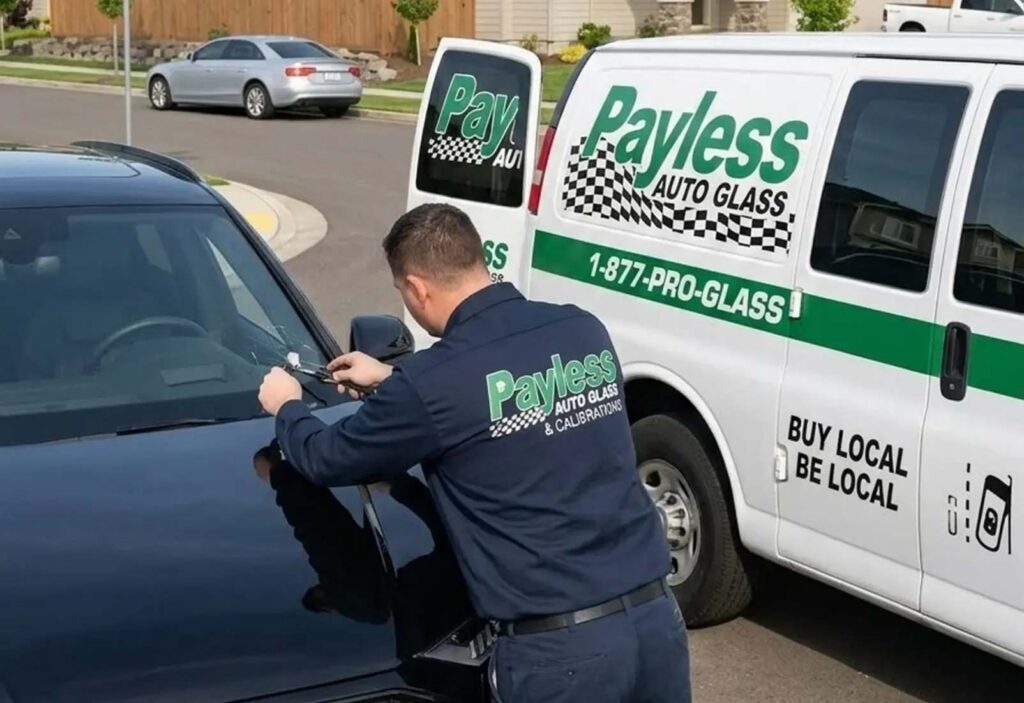
Because chip repair is time-sensitive, waiting a week for a shop appointment can be the difference between a $60 repair and a full replacement. That’s part of why our mobile auto glass service exists — a technician can come to your home or workplace anywhere in our Connecticut, Massachusetts, and Rhode Island service area and repair a qualifying chip in about 30 minutes, at no additional cost for the mobile visit.
If your vehicle also relies on a windshield-mounted camera for driver-assistance features, keep in mind that a full replacement — as opposed to a repair — may require ADAS calibration afterward to ensure those safety systems are reading correctly again.
Simple Habits That Reduce Your Risk
While you can’t avoid every pothole, a few habits can lower how often pothole season turns into a glass repair bill:
- Leave extra following distance on roads you know are rough, especially behind trucks and other large vehicles that can kick up debris from a pothole they’ve just driven through.
- Slow down when you see standing water on the road, since it often hides the depth of a pothole underneath.
- Address chips the same week you notice them, rather than waiting to see if they “stay small.” Most repairable chips can be fixed in under 30 minutes and cost far less than a full replacement.
- Keep an eye on wiper blades and washer fluid, since a chip combined with a dirty, scratched windshield surface is more likely to be misjudged as a repair or replacement candidate incorrectly by an untrained eye.
None of these guarantee you’ll avoid damage entirely — Connecticut’s roads are Connecticut’s roads — but they meaningfully reduce how often a minor chip turns into an unplanned replacement.
A Local Team That Sees This Every Season
Our Hartford-area technicians aren’t guessing at this pattern — it’s something we plan staffing and inventory around every year, because Connecticut’s roads make it predictable. That local, hands-on experience is part of why Payless Auto Glass has been voted the top auto glass company in the Hartford area for three years running, and it’s backed by a windshield installation warranty that covers leaks and stress cracks for as long as you own your vehicle. You can see what other drivers say about that experience on our reviews page or check common questions on our FAQ page.
Get Your Windshield Checked Before a Small Chip Becomes a Big Problem
If you’ve recently hit a pothole around Hartford or noticed a chip that’s been sitting a little too long, don’t wait for the next freeze-thaw cycle to decide for you. Get an instant quote or have a technician assess the damage in person.
Contact us today. Reach out through our contact page or call us at 877-776-4527 to schedule a repair, replacement, or mobile visit — whichever fits your damage and your schedule.