Picture a typical January morning in Hartford County: the car sat outside overnight at 12 degrees, the windshield is coated in a thick layer of frost, and there’s a meeting in twenty minutes. The instinct is to crank the defroster to full blast, or worse, jog inside for a kettle of hot water to speed things along. Either move can turn a perfectly intact windshield into a cracked one in seconds — and it happens more often across Connecticut winters than most drivers realize.
The Physics Behind a Cracking Windshield
Glass doesn’t handle sudden temperature changes well, and a windshield is no exception. When hot air or hot water hits a frozen pane, the exposed surface heats and expands almost instantly while the layer of glass just beneath it stays cold and contracted. That mismatch is called thermal shock, and the glass often can’t absorb the resulting stress fast enough to flex around it. Something has to give, and that something is usually a crack that appears to come from nowhere.
It helps to think of it like an ice cube in a warm drink. The outside of the cube warms and expands while the core stays frozen, and the ice splits along the stress line between the two. A windshield under a blast of hot defroster air or a splash of hot water is going through the same uneven expansion, just on a larger and more structurally important piece of glass.
Why Connecticut’s Winters Are Especially Hard on Glass
Southern New England doesn’t just get cold — it swings. A car parked outside overnight in Hartford, Waterbury, or Norwich can sit at or below freezing until sunrise, then face a driver who needs a clear windshield in minutes before a commute on I-84 or I-91. That combination of overnight deep freeze and rushed morning departures is exactly what produces thermal-shock cracks. Add road salt, sudden cold snaps after a mild stretch, and the freeze-thaw cycling that already stresses Connecticut pavement each winter, and a windshield here is working through more temperature swings in a season than one in a milder climate ever sees.
Existing Damage Makes It Worse
A windshield in perfect condition can usually tolerate normal defroster use without incident, since manufacturers design glass to handle the gradual heating a properly used defroster provides. The real danger shows up when a windshield already has a small chip or hairline crack, even one too small to notice from the driver’s seat. That imperfection is a stress point, and any moisture that seeps into it can freeze and expand overnight, widening the flaw before the defroster ever gets involved. Once the glass is compromised, thermal shock finishes what the cold already started, and a chip that was stable in November can turn into a windshield-wide crack by February.
The Right Way to Clear a Frozen Windshield
Auto safety groups agree on the same basic approach: change the temperature gradually, not all at once. AAA recommends starting the car and letting the defroster run on a lower setting before working up to full heat, using a plastic ice scraper (never a metal tool or a hard-edged object) to remove the bulk of the ice, and giving the glass time to warm evenly rather than trying to force it clear in sixty seconds flat.
Hot or boiling water belongs nowhere near a frozen windshield, no matter how tempting it looks as a shortcut on a rushed morning. Even warm tap water has enough of a temperature gap from frozen glass to trigger the same uneven expansion as a full-blast defroster, and it adds the risk of refreezing into a thin, dangerous layer of ice if it doesn’t fully clear before the drive starts.
A Few Habits That Protect the Glass All Winter
Parking in a garage or under a carport whenever possible removes the overnight deep-freeze that makes thermal shock likely in the first place. A windshield cover, secured under the wipers the night before a hard freeze, keeps frost from forming directly on the glass and dramatically cuts scraping time. Starting the car a few minutes before departure and letting cabin heat build gradually, rather than jumping straight to a full-blast defrost setting, gives the glass time to warm at a pace it can handle. None of these habits take more than a minute or two, and together they remove most of the risk that turns a routine winter morning into an unplanned trip to the auto glass shop.
Spotting a Thermal-Shock Crack Before It Spreads
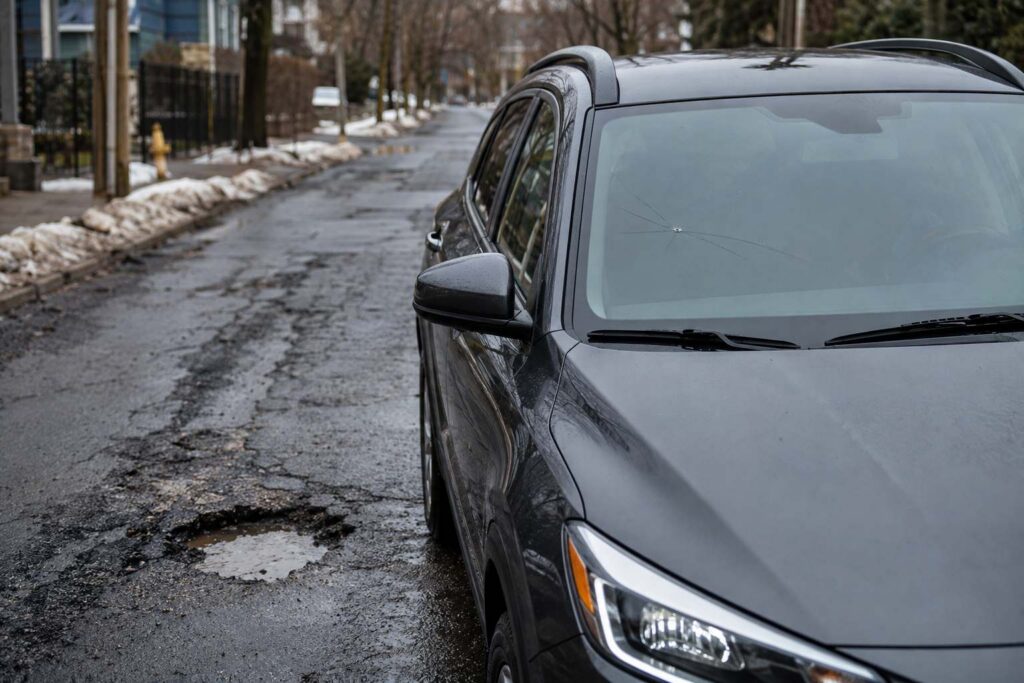
Thermal-shock cracks often look different from impact damage. Rather than a small chip with lines radiating outward from a single point, they often appear as a single long crack running across a significant stretch of the windshield, sometimes forming within seconds of the defroster kicking on. Any crack that shows up this way, especially right after a frozen start, should be treated as urgent rather than cosmetic — the same freeze-thaw cycling that caused it will keep working on it every cold night afterward, and what starts as a six-inch crack in January is rarely still six inches by March.
How Payless Auto Glass Handles Winter Damage
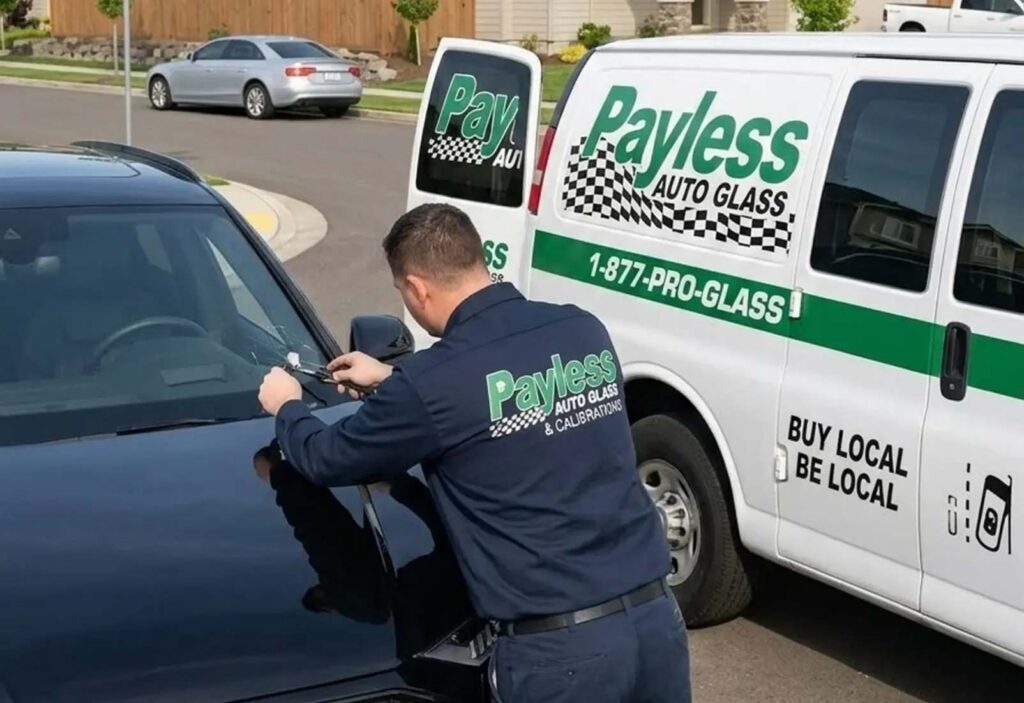
Payless Auto Glass sees a predictable spike in thermal-shock cracks every winter across its Connecticut, Rhode Island, and Massachusetts service area, and mobile appointments make the fix far less disruptive than a shop visit on an already inconvenient morning. A technician can evaluate whether a crack is still small enough for on-site resin repair or whether the damage has already progressed to the point where replacement is the safer call, and either service happens at a home driveway or office lot rather than requiring a special trip. For drivers with Connecticut’s zero-deductible full glass coverage, a winter crack caught early can be resolved at no out-of-pocket cost before it has a chance to spread.
Winter Windshield Thermal Shock FAQs
Can blasting the defroster really crack a windshield?
Yes. A sudden jump from full cold to full heat causes the glass to expand unevenly, and that stress can crack glass that already has a chip or hairline flaw — and occasionally glass with no visible damage at all.
Why is pouring hot water on ice such a bad idea?
Hot water creates an even sharper temperature gap against frozen glass than a defroster does, triggering the same uneven expansion. It’s one of the most common causes of sudden winter windshield cracks.
How should I safely defrost my windshield?
Start the car and let the defroster ramp up gradually rather than starting on full blast, use a plastic ice scraper for the bulk of the ice, and give the glass a few minutes to warm evenly before driving.
My windshield cracked right after I turned on the defroster. Is that normal?
It’s a recognized pattern, especially if the windshield already had a small chip. The sudden heat exposed a stress point that cold weather and moisture had already been working on.
Does a small winter crack need immediate attention?
Yes. Freeze-thaw cycling keeps stressing existing damage through the winter, and a crack that’s repairable in December can require full replacement by the time spring arrives.
Is thermal shock covered by insurance?
Most comprehensive policies treat a thermal-shock crack the same as any other windshield damage. Connecticut drivers with zero-deductible full glass coverage can often have it addressed at no out-of-pocket cost.
A cold Connecticut morning shouldn’t have to end with a cracked windshield. Gradually warming the glass, watching for existing chips, and getting damage addressed quickly can be the difference between a minor winter inconvenience and a full windshield replacement in the middle of the coldest month of the year.